Cozy Mystery Elements

Cheat Sheet
Cozy mysteries occupy a narrow, peculiar strip of crime fiction: intrigue without darkness, wit without cynicism, death without despair. They tell stories of order upended and restored inside small, charming communities where everyone knows everyone…sometimes far too well.
Traditional Cozy Mysteries
Traditional cozies trust earthly logic, not the supernatural. Amateur sleuths bake, shelve books, paint, or retire badly; they draw trouble the way sugar draws ants and move through town with a nose for secrets. Murder stays offstage, its aftermath handled with restraint, the emphasis on deduction, conversation, and the slow abrasion of personalities. Idyllic villages and picturesque towns wear civility like good wallpaper, thin over human frailty. The tone leans warm and sharp, inviting readers to follow clues as if they were crumbs toward a promised, orderly end.
Paranormal Cozy Mysteries
Paranormal cozies lay an extra veil of enchantment over the same bones. The detective works with psychic flashes, conversations with the dead, a familiar that speaks in riddles and bad timing. Community remains the spine of the story, while the mystery tilts between ordinary habit and otherworldly interference. A haunted bookshop, a witch’s café, a cat with opinions provide both humor and heart. Magic broadens the investigative arsenal, but the sleuth is still more intuitive than professional and the story still reaches for comfort over terror.
Shared Elements of All Cozies
Both strands promise emotional safety and a kind of intellectual play. They invite readers into places where kindness and curiosity coexist with crime, where it is still possible to believe in neighbors.
Relationships, whether romantic, familial, or communal stand level with the puzzle and often carry the real weight of the book. Humor eases strain, sensory detail thickens the air of kitchens, shops, and streets, and justice, gently rendered or slightly fudged, tends to arrive on time.
At their center, cozy mysteries argue that even when shadows fall, human decency, often partnered with a clever cat, can still find the door.
Darker Cozies Like Laura’s
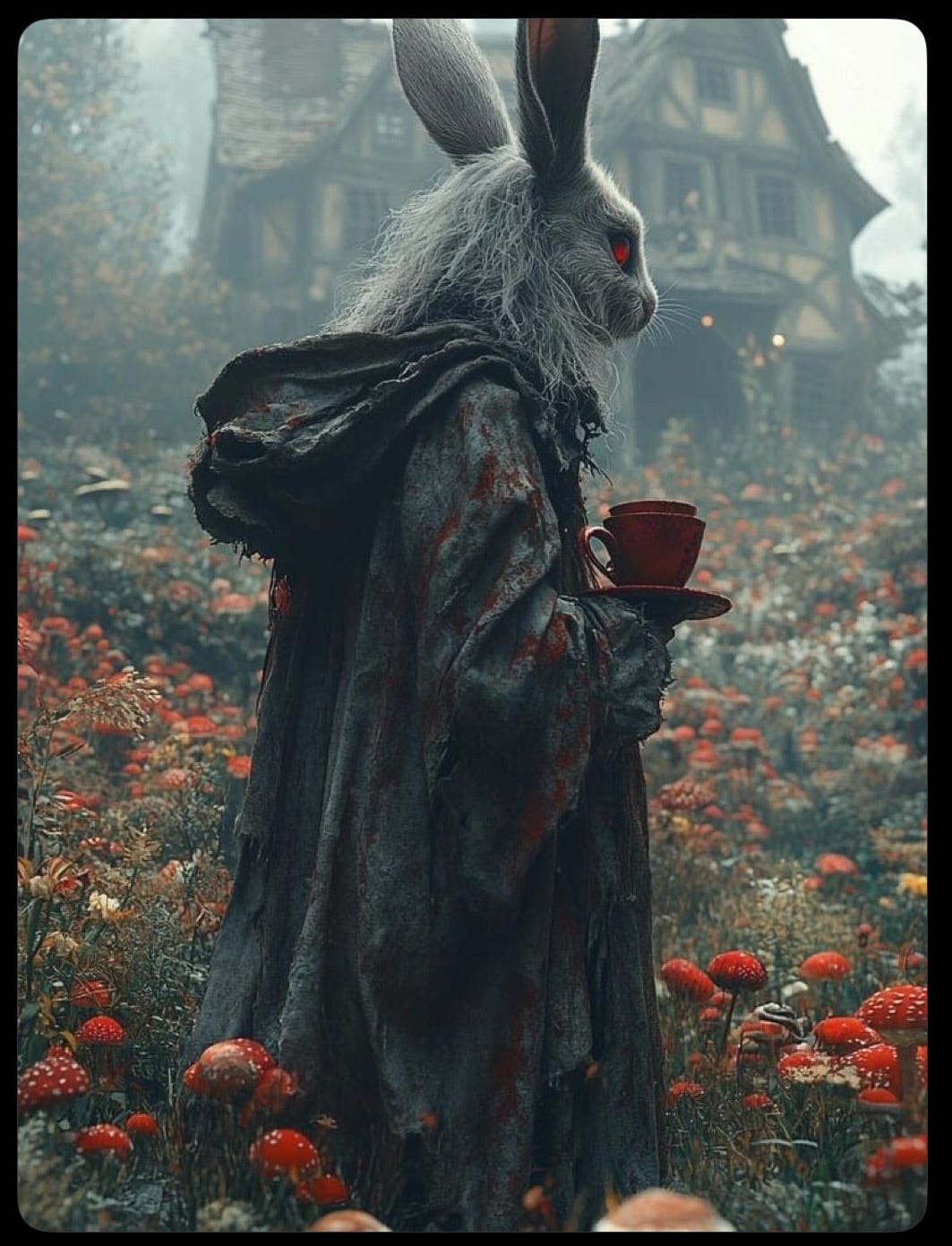
Cozy conventions darken the way lace darkens on a window: not by changing the pattern, but by layering it until light has to work harder to come through. The shape of a cozy remains, while the shadows sharpen and refuse to move out of the frame.
Where to Tilt Regular Cozies
A small-town idyll turns easily once the “charm” shows its price: a curated, coercive system that needs a scapegoat every few years to stay convinced of its own goodness. The bake shop, book club, knitting circle can keep their pleasant chatter while serving as quiet enforcement arms for local norms—gossip not as quaint color but as discipline. The amateur sleuth still runs the inn or the library, yet moves under a private motor of obsession, old complicity, or unpaid moral debt, eroding the genre’s usual sense of safety.
Tone carries the load. Gore and explicit violence remain offstage, but consequences stay in the room: a business does fail after scandal, a marriage ends, an old person’s health buckles under stress. Humor stays in play, sometimes bright, sometimes edged like glass, and the final justice can feel provisional, and morally skewed, but order restored for now at the cost of a lie or a sacrifice the protagonist chooses and then has to live beside.
Twisting Paranormal Cozies
In a paranormal cozy, magic often reads as intuition turned up a notch; to darken it, keep the whimsy and cloud the metaphysics. The witch’s spell that reveals the killer may also erase a memory or warp a witness’s perceptions, opening questions of consent and truth without blowing up the cozy frame. A helpful ghost can act as a narrator with an agenda, bound to its own grievances; the sleuth solves the case, only later realizing how neatly she was steered.
The enchanted town itself can run on quiet bargains. Its charm may depend on seasonal rituals, a tolerated injustice, a pact everyone pretends not to remember until they need it. Instead of embracing the sleuth’s gifts, the community begins to demand them, expecting her to absorb the cost of every haunting and every secret. The story still resolves—no apocalypse, no splatter—but the protagonist’s spiritual and ethical bill comes due, and wonder leaves a deliberate aftertaste of unease.
Subverting Shared Cozy Elements
Across both branches, core expectations such as emotional safety, community, tidy endings, bend before they break.
The page can stay free of graphic content while the emotional stakes cut deeper: a long friendship splits, the protagonist’s reputation warps beyond repair, the town picks expedience over the truth she fought to drag into daylight. Found family remains, but one member quietly chooses self-preservation over loyalty once, hairline-cracking the happy ending the book still nominally delivers.
The puzzle holds, yet its guarantees fray. The culprit can be someone cozies usually protect, like a truly beloved figure whose guilt lands as plausible and cruel, or someone the town refuses to punish, forcing a private, compromised solution. Solving the mystery may not fix the machinery that produced it; it may only name the wound. In a more literary register, the promise shifts from “all is well” to “we see what hurts, and we go on anyway,” and whatever warmth survives feels earned rather than issued as part of the package.